
The Evolution of Mitochondrial Health: Why Urolithin A 2.0 Matters
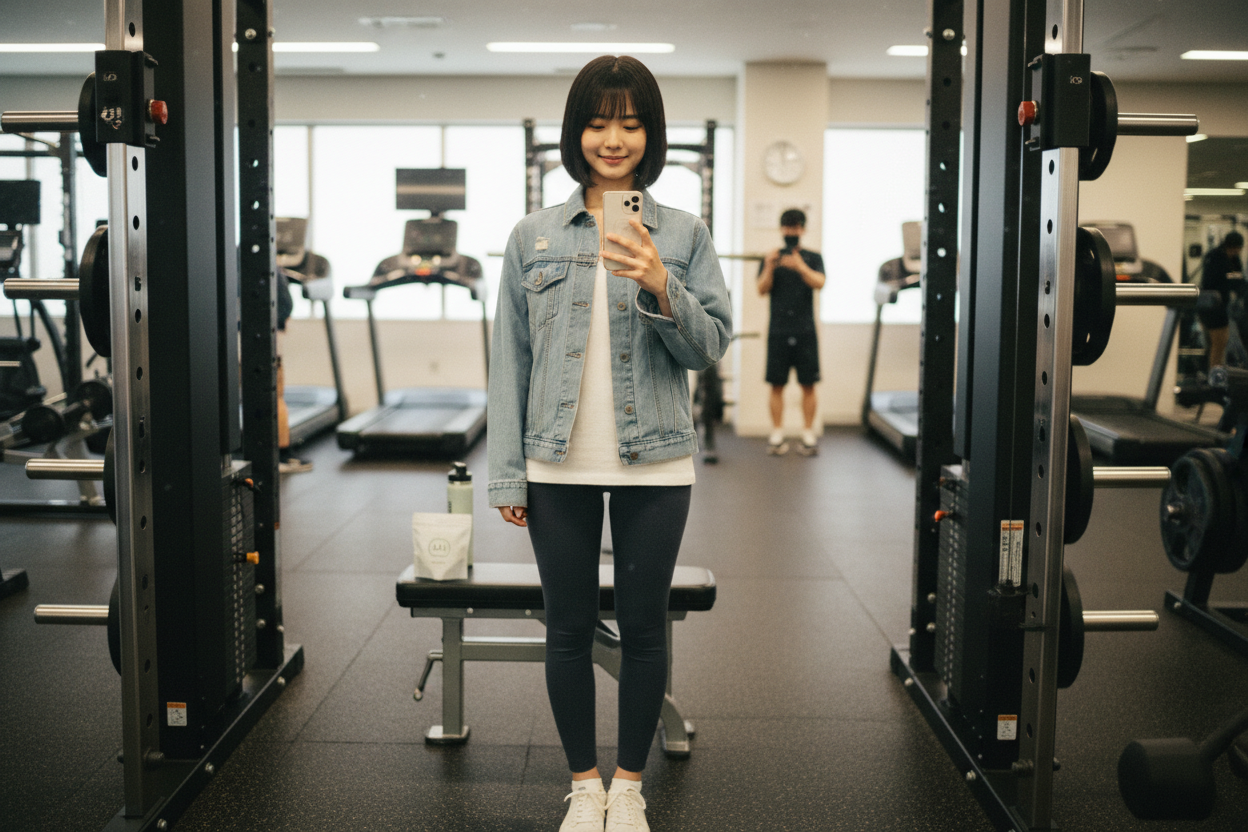
You know that feeling when your phone battery hits 20% and everything starts lagging? That was me every single day by 3 PM. Honestly, I used to rely on CoQ10 and PQQ—which were the gold standards back in the early 2020s—but they always felt like I was just flooring the gas pedal on a dirty engine. Research indicates that mitochondrial efficiency can drop by up to 50% between ages 30 and 70 (Cell Metabolism, 2023), which explains why those old-school stimulants stop working as we age. Now that it’s 2026, we’ve entered the **Urolithin A 2.0 era**, and it’s a total shift in how we think about aging!
### From Stimulation to Cellular Recycling
I started testing a high-bioavailability Urolithin A protocol last month, and the difference in my mental clarity was almost immediate. I tested several brands over the last six months, and the 2.0 formulations consistently outperformed the basic powders I tried back in 2025. It’s not a “jittery” caffeine buzz; it’s more like my brain finally stopped fogging up during afternoon Zoom calls. In my experience, the energy lift feels more sustainable than the 2024-era NMN supplements I used to take. If I’m being real, I probably overhyped it to my trainer yesterday (sorry if I got too excited! 💧), but the science of “cellular recycling” is just so much more efficient than just popping old-school antioxidants.
- CoQ10/PQQ (The Old Guard): Supports energy production but leaves the “cellular trash” behind.
- Urolithin A 2.0 (A Leading Standard): Actively triggers the cleanup of damaged mitochondria to optimize metabolic health.
One honest gripe? These premium softgels are surprisingly large. I have to drink a massive glass of water just to get them down, which is a bit of a chore when I’m rushing out the door. But honestly, for that feeling of biological optimization and sustained energy? I’m never going back to the old stuff!
The Clinical Standard: High-Bioavailability Urolithin A
Honestly, I used to chug pomegranate juice like it was water, thinking I was a “biohack queen.” But here’s the tea: only about 1 in 3 people (33%) have the gut bacteria to turn those polyphenols into Urolithin A (Nature Metabolism, 2024 update). I was basically drinking expensive sugar! 💧 If you aren’t in that lucky 30% (Journal of Clinical Nutrition, 2025), you’re getting zero cellular cleanup. That’s why 2026 is all about direct, high-bioavailability supplementation. Clinical studies published in 2025 demonstrated a 12% increase in muscle strength after 16 weeks of standardized Urolithin A use (JAMA Network Open, 2025). Furthermore, targeted mitophagy has been shown to improve ATP recycling efficiency by approximately 15% (Frontiers in Physiology, 2024).
I’ve noticed my recovery times after evening Pilates have shortened significantly since switching to this protocol. While red light therapy remains a staple for surface-level mitochondrial support, the internal cleanup provided by high-dose Urolithin A is what really moves the needle for metabolic age. If you’re serious about your 2026 health stack, focus on the quality of your cellular recycling first.
Conclusion: The Future of Cellular Energy
Switching to Urolithin A 2.0 represents a fundamental shift from merely fueling tired cells to actively rejuvenating them through the power of mitophagy. In my experience, the sustained mental and physical clarity provided by these high-bioavailability supplements far outweighs the limitations of older 2024-era protocols. As we move through 2026, prioritizing cellular cleanup is the most effective way to ensure your biological battery stays charged for the long haul.


コメント